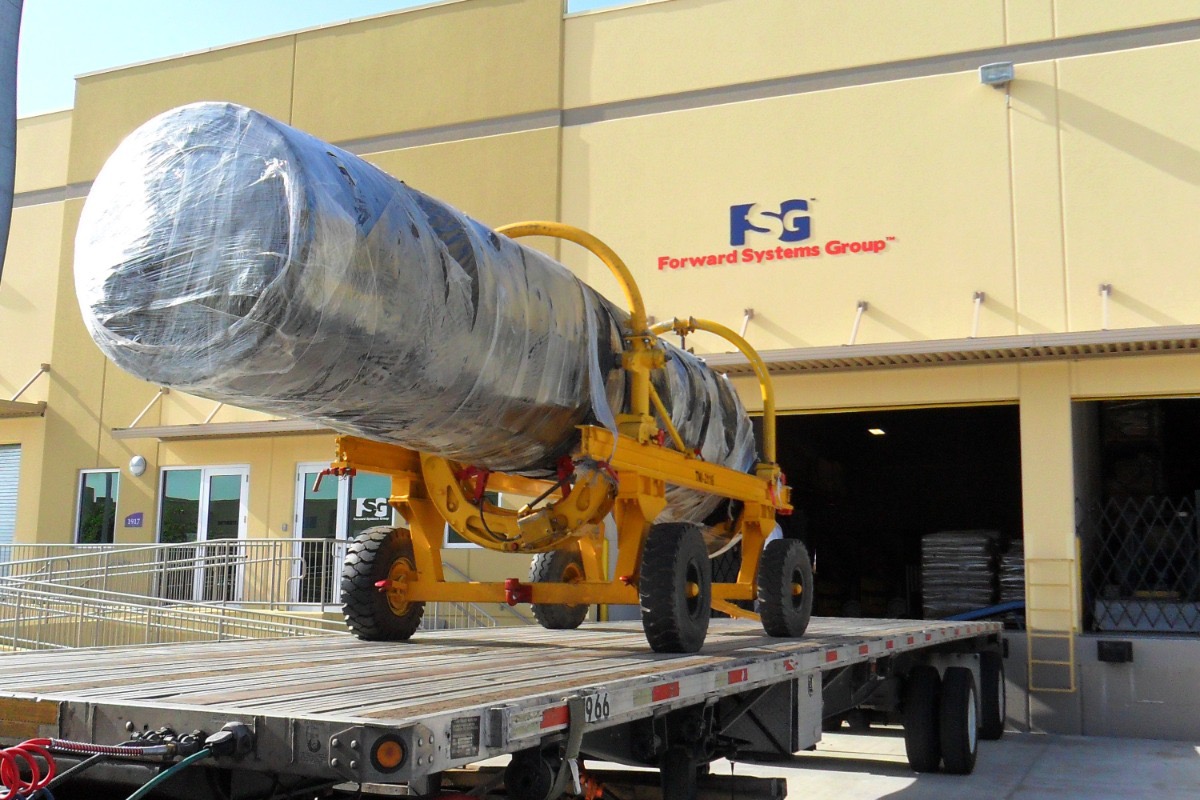
The challenge
Neither endpoint of this movement was the United States, but the routing passed through it, and that alone brings the cargo inside ITAR. Foreign-origin defense articles transiting U.S. territory need temporary import authorization before they may enter, even though the U.S. is neither buyer nor seller.
Shippers routinely miss this. A consignment booked as a straightforward Bogotá–Tel Aviv movement with a U.S. connection becomes an unlicensed import the moment it lands, and the cargo is seized.
Our approach
We identified the transshipment exposure before booking and filed for DSP-61 temporary import licenses covering the engines' entry into and re-export from U.S. territory.
Documentation was built so that the license, the airway bill, the commercial invoice, and the end-user statement described the same commodity in the same terms. A mismatch between them is what most often triggers a hold.
The transit was structured to minimize dwell on U.S. soil, reducing both custody risk and the window in which a documentation question could arise.
The outcome
The engines moved from Bogotá to Tel Aviv via the United States in full ITAR compliance, with the temporary import and re-export both authorized and documented.
The case established FSG's transshipment practice, now used regularly for third-country defense movements routed through the Miami gateway.