Services
HAZMAT and Dangerous Goods Logistics
Dangerous goods are materials that pose a risk to health, safety, property, or the environment in transport, and their movement is governed by the IATA Dangerous Goods Regulations by air, the IMDG Code by sea, and 49 CFR by road in the United States. Forward Systems Group holds current HAZMAT certification across all three regimes and routinely moves Class 1 explosives, compressed gases, flammables, corrosives, and lithium batteries for defense and commercial shippers.
How Forward Systems Group runs hazmat & dangerous goods
Dangerous goods get turned away at the counter for three reasons: the wrong packing group, packaging that is not specification-rated, or a declaration that does not match the air waybill. All three are caught by review before tender. That is why every FSG employee who handles or coordinates air and ocean shipments is trained to IATA, ICAO and U.S. DOT standards, not only the desk that books it.
- 1
Classify the material
UN number, class and packing group determined against the commodity, with segregation planned for mixed consignments before anything is packed.
- 2
Specify the packaging
UN-certified packaging sourced and overpacks designed to the commodity. We build export crates to specification in-house rather than improvising at the terminal.
- 3
Declare and check variations
Shipper's Declaration prepared, then carrier and state variations verified for the actual routing. This is the step that catches most rejections.
- 4
Move it under escort where required
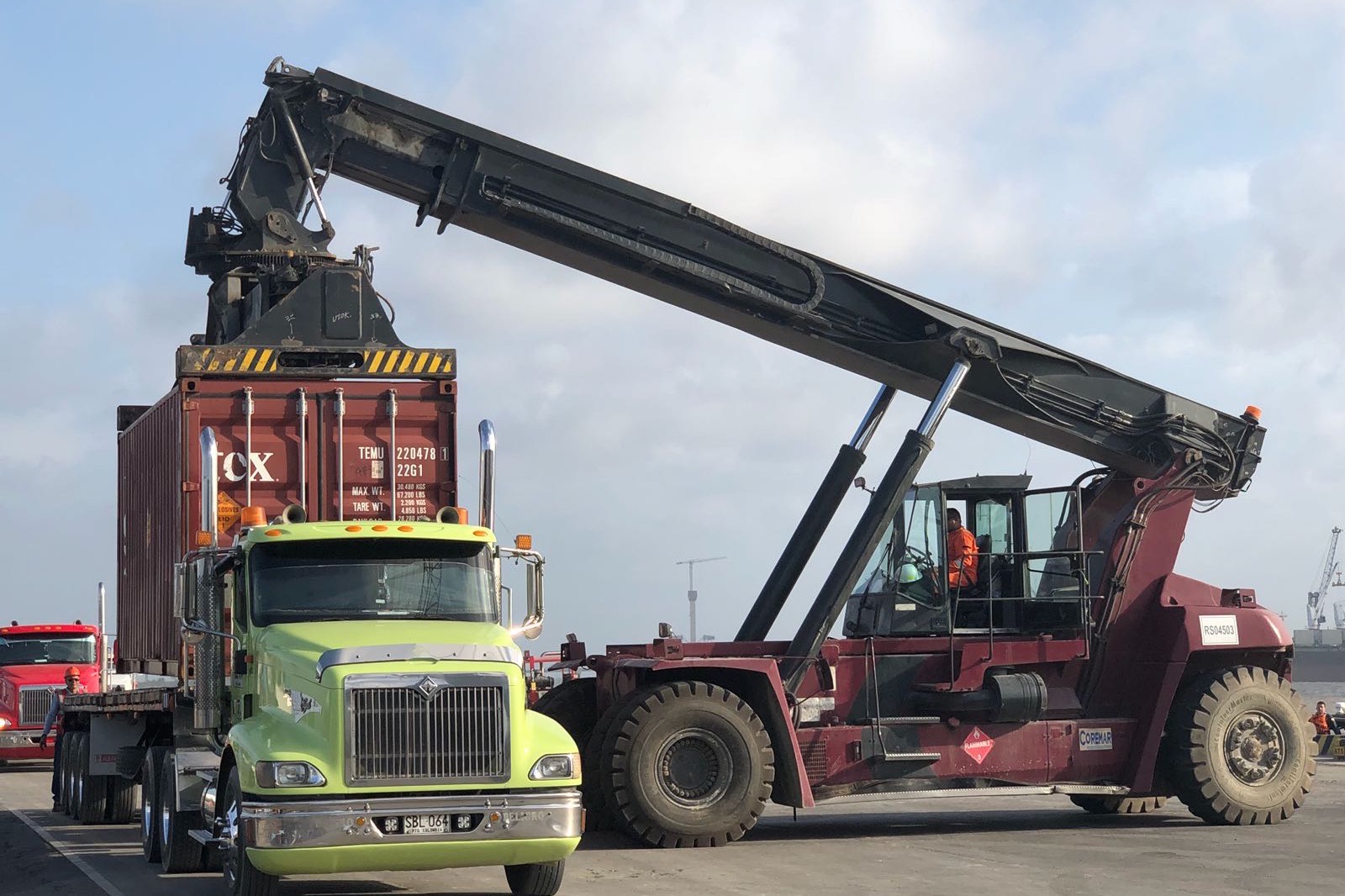
Class 1 material adds route approval, carrier acceptance and escort on top of the paperwork. We have moved 200 M-117 general purpose bombs from Military Ocean Terminal Sunny Point to CACOM 3 in Barranquilla.
Training is maintained in accordance with IATA, ICAO and U.S. Department of Transportation requirements, so that classification, packaging, labeling and documentation are handled to the same standard across every shipment, not just the complex ones.
Where dangerous goods shipments go wrong
Dangerous goods rejections almost always trace to one of three things: the packing group is wrong, the packaging is not UN-certified for the contents, or the shipper's declaration does not match the airway bill. All three are caught by review before tender, and all three get expensive to fix once the cargo is already at the counter.
We prepare the declaration, verify the packaging specification, and confirm carrier and state variations for the routing before anything leaves the shipper's dock.
- UN classification and packing group determination
- UN-specification packaging sourcing and overpack design
- Shipper's Declaration for Dangerous Goods preparation
- Carrier and state variation checks for the selected routing
- Segregation planning for mixed consignments
- Emergency response information and 24-hour contact provision
Ordnance and Class 1 explosives
Class 1 material, meaning ordnance, propellants and pyrotechnics, adds route approval, carrier acceptance, and often armed escort on top of the standard DG workflow. We have moved munitions at scale, including 200 M-117 general purpose bombs from Military Ocean Terminal Sunny Point to CACOM 3 in Barranquilla, Colombia.
HAZMAT & Dangerous Goods: frequently asked questions
What certifications are required to ship dangerous goods?
Shippers and forwarders handling dangerous goods by air must hold current IATA Dangerous Goods Regulations training, renewed at least every 24 months. Ocean movements require IMDG Code training and U.S. road movements require 49 CFR HAZMAT training. Forward Systems Group maintains current certification across all three.
Can you ship explosives and ammunition?
Yes. We move Class 1 explosives, ammunition, and ordnance under the applicable DDTC, ATF, and DOT authorizations, coordinating carrier acceptance, route approval, and secure escort where required.
Do you provide the UN-specification packaging?
Yes. We source UN-certified packaging and build custom export crates to specification in-house, including overpacks and cushioning engineered to the commodity.
Let's move forward together
Whether you're shipping across the globe or navigating complex regulations, we've got you covered. Experience the confidence of logistics done right.